Still have questions? Leave a comment
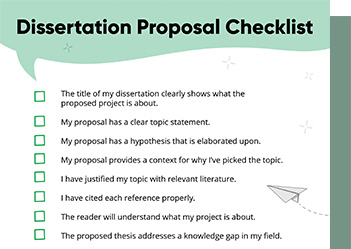
Checklist: Dissertation Proposal
Enter your email id to get the downloadable right in your inbox!
[contact-form-7 id="12425" title="Checklist: Dissertation Proposal"]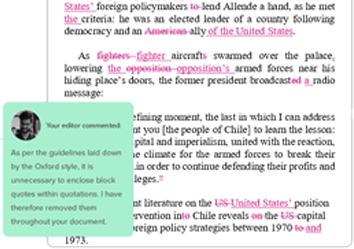
Examples: Edited Papers
Enter your email id to get the downloadable right in your inbox!
[contact-form-7 id="12426" title="Examples: Edited Papers"]Need
Editing and
Proofreading Services?

5 Different Types of Book Editors and What They Do
 Jun 07, 2024
 5
min read
5
min read
- Tags: Editing
Before your book hits the shelves and captivates readers, it needs a critical ingredient: a skilled editor’s touch. But it can be confusing to not know what book editors actually do. Understanding the different types of book editors is crucial for ensuring your book reaches its full potential.
This guide will explore the roles and expertise of each type of editor, and empower you to build the perfect team for your literary success!
Let’s look at the different types of book editors:
1. Developmental editors
Expertise: Big-picture thinking, enhancing story structure, character development, plot analysis, theme exploration
Objective: To help you craft a compelling narrative with a strong foundation
Developmental editors are the masterminds behind a book’s overall structure and impact. They focus on the macro elements of your story, ensuring they resonate with readers on an emotional and intellectual level. They’ll help you:
- Hook readers from the first page: Is your opening chapter captivating enough to draw readers in?
- Develop relatable and multi-dimensional characters: Do your characters feel real, with motivations and flaws that drive the story?
- Craft a page-turning plot: Does your story have a clear conflict, rising tension, satisfying climax, and impactful resolution?
- Identify and address plot holes and inconsistencies: Are there any gaps in logic or contradictions in your narrative?
2. Copy editors
Expertise: Grammar, punctuation, syntax, clarity, conciseness, style consistency
Objective: To ensure your writing is error-free, grammatically sound, and easy to read
Copy editors are the language experts, meticulously scrutinizing your manuscript for errors in grammar, punctuation, and clarity. Their objective is to ensure your message is communicated effectively and your writing shines. They will:
- Eliminate grammatical errors: They’ll catch those pesky comma splices, subject-verb disagreements, and misplaced modifiers.
- Improve sentence flow and clarity: They’ll tighten up your prose, eliminating unnecessary words and phrases, and ensuring your meaning is crystal clear.
- Ensure consistency in style and tone: They’ll make sure your writing maintains a consistent voice and style throughout the manuscript.
3. Line editors
Expertise: Improving sentence structure, word choice, flow, clarity, rhythm, voice, style
Objective: To fine-tune your writing at the sentence level, ensuring it is engaging, impactful, and polished.
Line editors work closely with your text, focusing on the micro elements of language and style. They ensure that your sentences are not only grammatically correct but also rhythmically pleasing and impactful. They will:
- Refine your sentence structure: They’ll suggest alternative sentence constructions, improving flow and rhythm.
- Sharpen your word choice: They’ll suggest more precise or evocative language, enhancing your writing’s impact.
- Ensure consistency in voice and tone: They’ll ensure your chosen voice and tone are maintained throughout the manuscript.
4. Fact-checkers
Expertise: Research, verification, accuracy, attention to detail
Objective: To ensure your manuscript is factually accurate and all information is correctly attributed
Fact-checkers are the detectives of the editing world. They meticulously verify every fact, date, statistic, and quotation in your manuscript. They are essential for non-fiction works and any book that relies heavily on factual information. They will:
- Verify all factual information: They’ll double-check dates, names, events, statistics, and any other factual claims.
- Ensure accuracy of quotations and attributions: They’ll verify that all quotes are accurate and properly attributed.
- Identify and flag potential legal issues: They’ll alert you to any potentially defamatory statements.
5. Proofreaders
Expertise: Meticulous attention to detail, spotting even the smallest errors
Objective: To catch any remaining typos, book formatting errors, or inconsistencies after all other book editing stages
Proofreaders are the last line of defense against errors, meticulously proofreading your manuscript for any lingering typos, formatting inconsistencies, or layout issues. They are essential for ensuring a polished and professional final product. They will:
- Catch typos and misspellings: They’ll spot those sneaky errors that slip past even the most vigilant writers and editors.
- Ensure consistent formatting: They’ll verify consistent font, spacing, margins, headings, and other formatting elements.
- Review layout and design: They’ll check the final layout of your book to ensure everything is visually appealing and error-free.
Choosing the right editors
Now that you understand the different types of editors, how do you choose the right ones for your book? Consider these factors:
1. Your manuscript’s stage of development
- Early stages: If your manuscript is still in the early stages and needs significant structural and content editing, a developmental editor is essential. They can help shape your story, improve pacing, and ensure coherence.
- Polished manuscript: Once your manuscript is well-developed and mostly complete, a copy editor is ideal for refining language, grammar, and style. A proofreader is best for the final check, catching typos and minor errors before publication.
2. Your genre and target audience
- Genre-specific editors: Different genres have unique conventions and reader expectations. For example, romance, science fiction, and non-fiction all have distinct styles. Choose editors who have experience and a track record in your specific genre to ensure they understand these nuances.
- Target audience: Consider who your readers are and what they expect. An editor familiar with your target audience can help tailor your book to meet their preferences.
3. Your budget
- Prioritize needs: Determine which type of editing is most crucial for your manuscript’s success. Allocate your budget accordingly. If funds are limited, you might focus on a developmental editor to get the foundation right, then do some self-editing before hiring a copy editor or proofreader.
- Get quotes: Reach out to multiple editors to get quotes and compare their rates. This will help you find the best fit within your budget.
4. Your personal preferences
- Collaboration style: Consider how much feedback and interaction you prefer. Some authors enjoy a collaborative approach with regular discussions and feedback sessions, while others prefer minimal intervention and clear, straightforward edits.
- Editor compatibility: Choose an editor whose working style matches your preferences. A good working relationship and clear communication can greatly enhance the editing process and the final outcome of your book.
Writing a book is an individual journey, but publishing it is a team effort. By understanding the different types of book editors and their unique expertise, you can assemble a dream team to polish your manuscript to perfection.
If you’re looking for expert editing and proofreading services to take your book to the next level, consider PaperTrue. Our team of experienced editors can help you refine your manuscript, ensuring it shines brightly in the competitive world of publishing.
Keep reading for more editing tips:
Frequently Asked Questions
Found this article helpful?
 2
2
 0
0