this is a staging test post.
Newsletter Sign Up
Best Book Trailer Services
When you’re promoting a book, a well-crafted book trailer can be one of the most powerful tools in your marketing kit. Think of it as a mini-movie for your book: short, dramatic, visually engaging, and emotionally resonant.
Just enough to hook a potential reader, but not so much that it spoils your story. The right book trailer service can bring your vision to life, save you time, and help you reach more readers.
Get A Mesmerising Trailer For Your Book Now! Learn More
Here are 10 of the best book trailer services authors can consider, ranked by quality, features, reputation, and cost.
1. PaperTrue
PaperTrue offers a reliable, author-friendly book trailer service as part of its self-publishing and book promotion services ecosystem. Their trailers are professionally crafted, visually rich, and tailored to highlight your book’s theme, tone, and target audience.
Key features:
- Custom script written to match your book’s style
- High-quality visuals, text animations, and background music
- Marketing-ready video format (MP4 for YouTube, Instagram, Amazon, etc.)
- Part of a full promotional package (SEO blogs, ads, author branding)
- Fast turnaround with revision support
Pricing: Starts at $200 for basic promotional video packages.
2. StoryReel Studios
StoryReel Studios focuses on cinematic book trailers that look and feel like movie teasers. Ideal for authors who want a dramatic, visually rich promotional video.
Key features:
- 60-second cinematic trailer
- Professional voiceover options
- Stock or custom visuals
- Conversion-focused design for ads
- Included training on using trailers for book sales
Pricing: $997 for their full book trailer package.
3. Book Marketing Graphics
A budget-friendly service specializing in slideshow-style and animated trailers. Perfect for authors seeking a clean, polished video without a high price tag.
Key features:
- Multiple length options (60–180 seconds)
- Stock footage + premium music
- Simple and clear visual storytelling
- Revision rounds based on package tier
Pricing:
- Basic (≤60s): $175
- Enhanced (61–120s): $225
- Premium (121–180s): $300
- Professional (cinematic): $450
4. Fleck Publisher
Fleck offers premium video production services with options for animated, motion-graphic, and cinematic book trailers.
Key features:
- Book teaser and full-length trailers
- 2D/3D animation
- Scriptwriting + voiceover
- Sound design and color-grading
- Exported in formats optimized for all platforms
Pricing: Their Pro Plan includes a custom book trailer video that starts at $2499.
5. Scribe Marketer
Scribe Marketer builds high-impact trailers with a marketing-focused approach, helping authors promote fiction and non-fiction books effectively.
Key features:
- Tailored trailer concept
- High-quality voiceover
- Editorial-style animations
- Strong focus on target audience engagement
- Streamlined 3-step creation process
Pricing: Quote-based pricing (contact required).
6. MacLean’s Publishers
MacLean’s offers visually rich book trailers suitable for authors looking for detailed motion graphics or VFX-driven videos.
Key features:
- Cinematic effects
- Motion graphics and text animations
- Multiple revisions
- Trailers for individual books or series
- Custom soundtrack integration
Pricing: Custom pricing (contact for a quote).
7. Maplewood Publications
Maplewood creates high-quality book trailers and integrates them into broader marketing packages for new and self-published authors.
Key features:
- Text animation + custom visuals
- Optional voiceover
- Social-media-ready versions
- Collaboration at each step of production
Pricing: Pricing available upon consultation.
8. Swift Book Publishing
Swift specializes in animated and character-driven book trailers, making them ideal for fantasy, sci-fi, or children’s books.
Key features:
- Cinematic animated trailers
- Character-focused storytelling
- Script development + storyboard
- Full production support
Pricing: Custom quote based on project type.
9. Ghostwriting Founder
Ghostwriting Founder provides different trailer styles from documentary-style to animated, depending on the book’s tone and genre.
Key features:
- Multiple trailer styles
- Voiceover options
- Fast turnaround (10–12 business days)
- Designed for multi-platform promotion
Pricing: Variable (discounts often available).
10. Majestic Ghostwriting
Majestic Ghostwriting offers polished, story-driven book trailers that highlight your book’s emotional hook and selling points.
Key features:
- Custom script + visuals
- HD production quality
- Story-focused editing
- Marketing guidance included
Pricing: Quote-based pricing.
How to choose the best book trailer service
When selecting a book trailer provider, keep these factors in mind:
- Budget: Prices vary widely. Choose one that fits your marketing plan.
- Video style: Do you prefer cinematic, animated, or simple text-motion trailers?
- Genre match: Some companies are better for fiction, others for non-fiction.
- Voiceovers and music: Important for emotional impact.
- Turnaround time: Ensure it matches your launch schedule.
- Platform compatibility: Videos should be optimized for social media, ads, and Amazon.
A compelling book trailer can significantly boost your visibility and help readers connect with your story instantly. Whether you choose an affordable option like PaperTrue, a cinematic expert like StoryReel Studios, or an animation-focused producer like Swift Book Publishing, the right service can elevate your book launch and attract more readers.
We at PaperTrue create book trailers to hook your readers right in. Our book trailer services will help you bring your story to life!
Keep on reading for more:
How to Publish a Novel: Easy Step-By-Step Guide
Do you have an idea for an amazing novel, or do you have a fantastic manuscript ready? Is your lack of information about how to go about getting published holding you back from sending your novel into the world?
Well, you’re in the right place! Our comprehensive guide will explain the step-by-step process of getting your novel published and the different publishing paths available to you.
Your Book. Our Expertise. Let’s Publish It! Get Started
Choose your path: traditional vs self‑publishing
When it comes to publishing a novel, there are two paths that are typically available: traditional publishing and self-publishing. In recent times, a third path, hybrid publishing, has also become popular in the market. Here is a breakdown of the core features of all three so you can decide which is best suited to your needs:
1. Traditional publishing
In traditional publishing, the author does not pay the publisher. Once the manuscript has been accepted by the publisher, they go through the publishing process at their own cost. When the book hits the shelves, the author receives a certain percentage of its price (usually 8–10%) as royalties at regular intervals.
2. Self-publishing
When it comes to self-publishing, the publisher charges a certain amount from the author to cover the cost of the publishing process. The percentage of royalties is negotiable between the author and publisher.
3. Hybrid publishing
As the name suggests, hybrid publishing is a mix of certain aspects of both self and traditional publishing. Typically followed by smaller publishing houses to ensure they break even, hybrid publishing is where the publishers finance the process, but the author has to ensure a minimum number of copies get sold within a certain time period, and if not, they ‘buy back’ the unsold copies at a discount. This helps to ensure the publishers recover the basic cost invested in the publishing process.
How to publish a novel traditionally
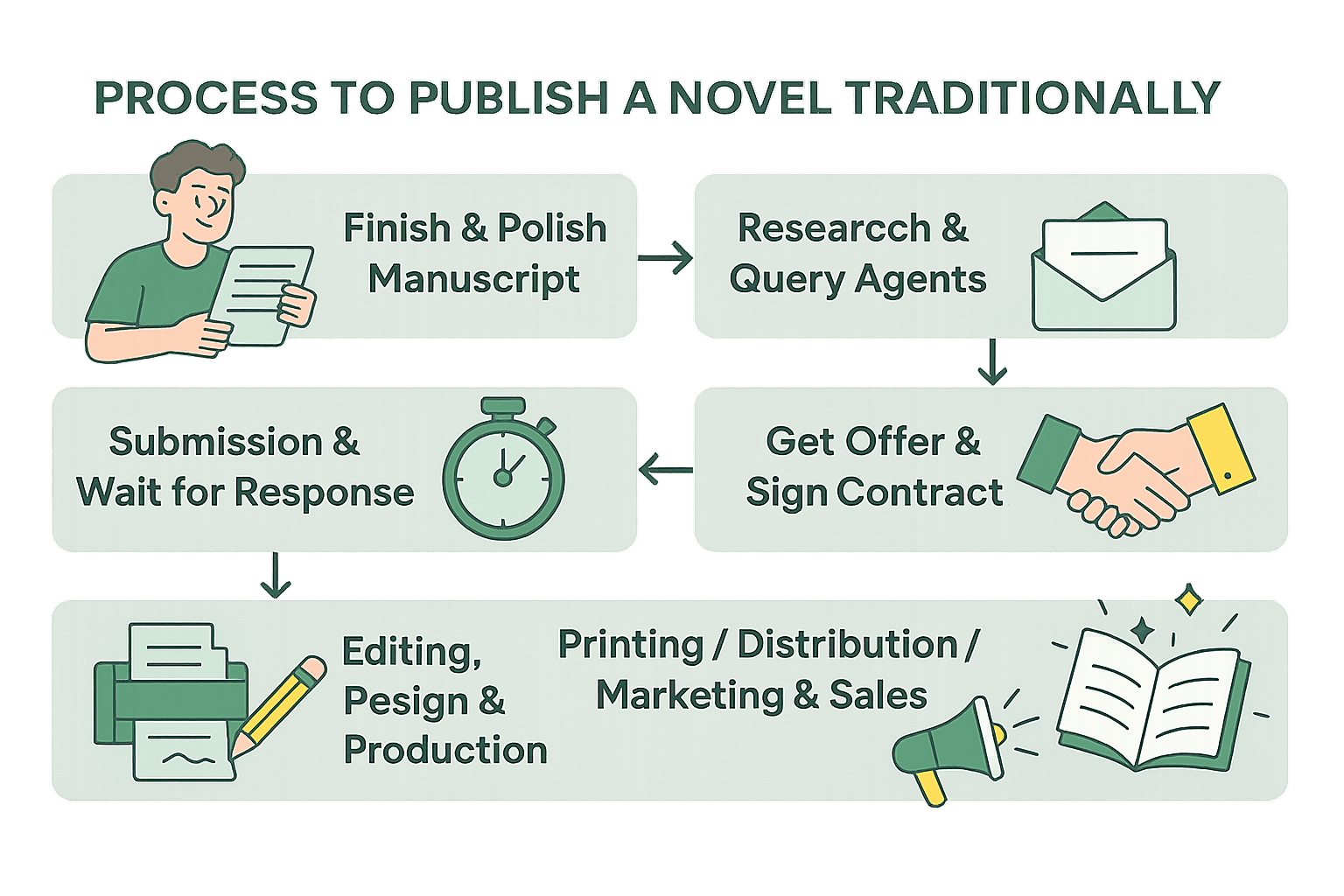
When it comes to traditional publishing, there are certain steps that must be followed:
1. Once you have completed your manuscript, you must either submit your work to a literary agent who will pitch it to prospective publishers or pitch it to publishers directly.
2. After signing the paperwork, the novel is handed over to the editorial team, who carefully scour it for mistakes, correct the grammar, and return it to the author for inspection.
3. Once the author greenlights the edits, the novel is handed over to the typesetter, who arranges the text on the pages in an aesthetic manner depending on the page size, leaving enough margin for binding.
4. Around this time, a book cover is designed using inputs from the author. Both the cover design and typeset are usually shown to the author for approval.
5. Finally, the book is bound, and a sample copy is produced. Once the publishing team confirms that the sample copy meets their standards, the book goes into mass print.
6. The book is then released online (sometimes with a preorder period) and in bookstores.
7. Depending on the number of copies sold, the author gets paid royalties at regular intervals.
How to self‑publish a novel
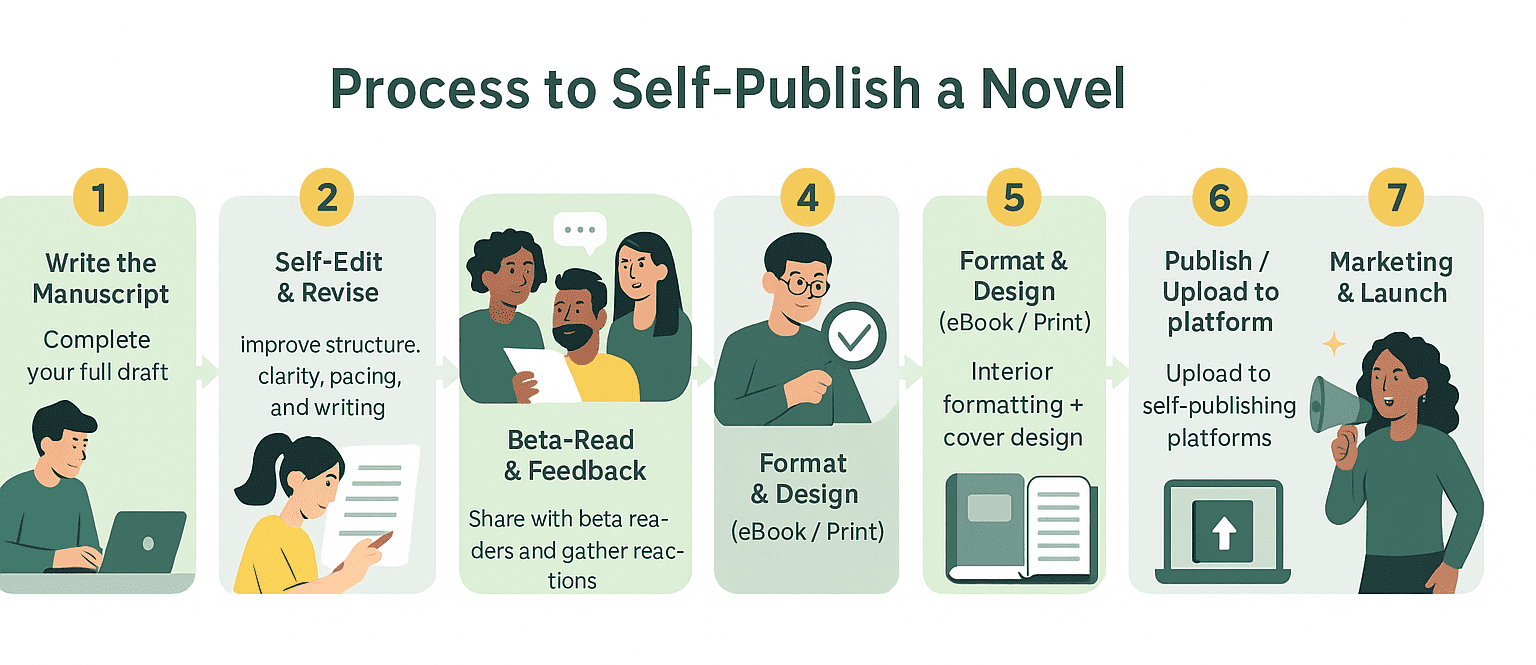
The steps of the self-publishing process are rather similar to the traditional publishing process, but there is no need for an agent, as self-publishing houses typically accept almost every manuscript submission, unlike traditional publishers, who are more choosy. Additionally, the publishing cost is borne by the author, unlike in traditional publishing, where it is financed by the publisher.
Another path open to authors who prefer self-publishing is Amazon’s Kindle Direct Publishing (KDP) service, which offers all the perks of self-publishing with Amazon’s global distribution service. All you need to do is log into the KDP website using your Amazon login credentials, follow the steps to upload your manuscript and cover, and voila! You are a published author.
How much does it cost to self‑publish a novel?
The cost can vary depending on various factors such as the length of the novel, the type of cover and binding, and whether or not it will contain illustrations and colour pages. On average, self-publishing a novel costs between $1000 and $6000.
Also Read: How to Write a Powerful Plot in 12 Steps
How long does it take to publish a novel?
The duration of the publishing process depends largely on which path to publication you choose. While traditional publishers take roughly a year due to existing publishing timelines and other major projects in the pipeline, self-publishing is much quicker and can be achieved within one to three months.
How to publish a web novel?
Some authors prefer to publish webnovels. These are essentially e-books available only on the internet, without physical copies being sold in stores. The publishing process here is very simple and cost-effective: create an account on a popular web novel platform (eg, Wattpad), upload your blurb and chapters, and upload your cover art.
Pressing the ‘publish’ option will make these chapters go live instantly, either all at once or one at a time, based on how you choose to upload them. They are then available to millions of readers around the world, and you can view the hits each chapter receives in real time. Some web novel platforms also allow readers to leave comments, which function as an immediate feedback mechanism for the writer.
Monetizing a web novel depends on which publishing platform you choose. Some platforms have a provision to display ads between chapters, which could earn you (and the platform at large) ad revenue. Some platforms like Wattpad make the novels of their most popular writers accessible on a paid basis, which enables these writers to earn revenue per reader.
Now that you know all about the various ways to get published, it’s time to choose the publishing path best suited for you. Whether traditional publishing, self-publishing, hybrid publishing, or purely web-based publishing, we wish you the best with your future as an author!
Do you enjoy writing? PaperTrue offers expert, hassle-free book self-publishing services that allow you to get your work edited and published by professionals. Check them out!
Here are some more resources that may help you:
Best Horror Books of All Time (Must-Read List)
Horror books have a way of pulling us in, don’t they? They scare us, surprise us, and still keep us turning the pages. There’s something fun about getting lost in a story that gives you just the right amount of chills.
In this article, we’re taking a look at some of the best horror books out there. Whether you read horror all the time or are just trying it out, you’ll find stories here that stay with you long after you’re done reading.
Have A Horror Manuscript Written And Ready? Publish It Now! Get Started
1. Dracula by Bram Stoker (1897)
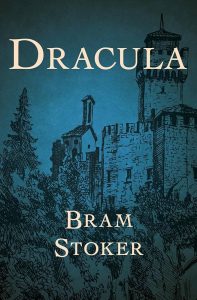
Dracula is the book that defined the vampire myth as we know it. Count Dracula’s eerie castle in Transylvania, his nocturnal powers, and his journey to Victorian England set the tone for centuries of horror storytelling. The tale follows Jonathan Harker, Mina Murray, and Van Helsing as they try to stop Dracula from spreading his curse. It’s one of the best classic horror books ever written because it combines gothic atmosphere, adventure, and creeping dread in a way that feels timeless.
What makes Dracula so chilling is its deep sense of invasion, not just of blood, but of identity and culture. Stoker’s monster is seductive and terrifying, blending horror and desire in equal measure. As you read, the shadow of Dracula looms larger, and even in daylight, the fear lingers. It’s not just one of the best horror novels of all time; it’s the blueprint for so many of the best horror books that followed.
Find it here: Dracula horror book
2. Frankenstein by Mary Shelley (1818)
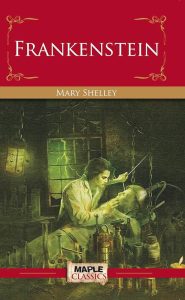
Mary Shelley’s Frankenstein remains a haunting meditation on creation, loneliness, and the boundaries of science. Victor Frankenstein’s attempt to bring life to the dead leads to unspeakable tragedy. His monstrous creation, rejected and abandoned, seeks love but finds only rage. This tale of human ambition and divine punishment remains one of the best classic horror books for its philosophical depth and emotional horror.
What makes Frankenstein terrifying isn’t just the creature; it’s the mirror it holds up to humanity. Shelley forces readers to question who the real monster is: the creation or the creator. This psychological element secures its place among the best psychological horror books ever written. More than 200 years later, it’s still impossible to read without feeling unsettled.
Find it here: Frankenstein horror book
3. Carrie by Stephen King (1974)

Carrie introduced the world to Stephen King, and it’s easy to see why it became one of the best-selling horror books of all time. The story follows Carrie White, a shy high school girl tormented by bullies and controlled by her fanatical mother. When she discovers her telekinetic powers, the results are explosive and horrifying. King captures the pain of adolescence and the devastating consequences of cruelty with brutal honesty.
The horror in Carrie lies in its realism. We’ve all seen or experienced humiliation, and King amplifies that fear until it becomes monstrous. Carrie’s transformation from victim to avenger is both heartbreaking and terrifying. It’s not just one of the best horror novels; it’s a dark reminder of how easily the human mind can break.
Find it here: Carrie horror book
4. Pet Sematary by Stephen King (1983)
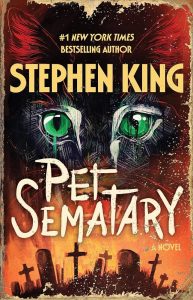
Pet Sematary is the book even King himself has called his scariest. When Louis Creed moves his family to a new home near a mysterious burial ground, he discovers a place where the dead don’t stay buried. Driven by grief, he makes a desperate decision, and horror follows. It’s among the best horror novels of all time for its raw exploration of death, love, and loss.
What makes Pet Sematary one of the scariest books of all time is how relatable it feels. The true terror isn’t the resurrection of the dead, it’s the desperate human need to undo pain, no matter the cost. The novel captures the tragedy of loving someone so much that you destroy yourself trying to keep them.
Find it here: Pet Sematary horror book
5. The Shining by Stephen King (1977)

Few haunted house stories have the lasting power of The Shining. Jack Torrance, his wife Wendy, and their son Danny spend the winter at the isolated Overlook Hotel, where supernatural forces prey on their weaknesses. The combination of cabin fever, alcoholism, and psychic terror makes this one of the best psychological horror books ever written.
King’s genius lies in the slow descent into madness. The Overlook doesn’t just haunt Jack, it feeds on him, turning his love for his family into violence. The fear comes not just from ghosts, but from watching a man unravel. It’s both terrifying and tragic, and it remains one of the best horror novels of all time.
Find it here: The Shining horror book
Also read: Top 10 Book Publishing Companies
6. ‘Salem’s Lot by Stephen King (1975)
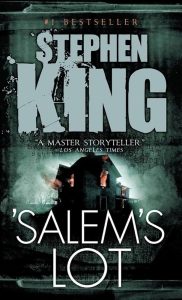
In ‘Salem’s Lot, King brings vampires to small-town America, proving that evil can lurk anywhere. When writer Ben Mears returns to his hometown, he discovers that residents are disappearing and the culprit is something ancient and hungry. This blend of the supernatural and the everyday earns it a place among the best horror books of all time.
The genius of ‘Salem’s Lot lies in how ordinary it feels at first. The creeping infection of vampirism mirrors the corruption of a town’s soul. By the time the horror fully blooms, you’re already too invested to look away. It’s one of the best classic horror books that still feels fresh and frightening.
Find it here: ‘Salem’s Lot horror book
7. Ghost Story by Peter Straub (1979)
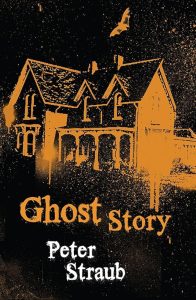
Ghost Story is about four elderly men who gather to share eerie tales, only to find that one of their past misdeeds is coming back to haunt them. This layered, unsettling narrative is full of atmosphere and psychological unease. It’s a brilliant choice for fans of the best psychological horror books.
Straub’s prose is elegant yet chilling, and his exploration of guilt and memory makes the horror personal. The ghost isn’t just supernatural; it’s symbolic of the things we try to forget. By the end, Ghost Story earns its spot among the best horror novels of all time, a haunting meditation on storytelling itself.
Find it here: Ghost Story horror book
8. House of Leaves by Mark Z. Danielewski (2000)
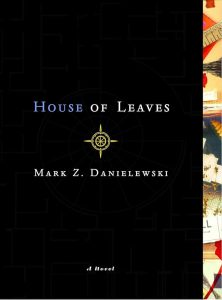
If you want to test your sanity, try House of Leaves. This experimental novel tells of a house that is bigger on the inside than the outside, a physical impossibility that slowly drives its occupants mad. Layered with footnotes, multiple narrators, and unsettling formatting, it’s a modern classic among the best psychological horror books.
What makes House of Leaves so disturbing is its sense of disorientation. You never know what’s real or who to trust. The house becomes a metaphor for fear itself, endless, shifting, and impossible to escape. It’s no wonder many readers call it one of the scariest books of all time and a masterpiece of modern horror.
Find it here: House of Leaves horror book
9. The Exorcist by William Peter Blatty (1971)
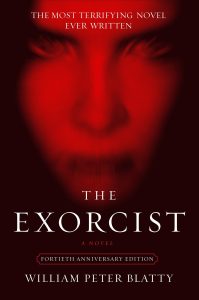
The Exorcist is pure demonic terror. When young Regan MacNeil begins acting strangely, her mother’s search for answers leads to an ancient evil and a battle between faith and darkness. Based loosely on true events, this remains one of the best-selling horror books and a landmark in the genre.
The horror here is primal, the idea of something evil taking control of a child. Blatty’s realism and religious overtones make the possession scenes almost unbearable to read. It’s a book that questions belief itself, and its influence on horror literature is unmatched. Truly one of the best horror novels of all time.
Find it here: The Exorcist horror book
10. Ring by Koji Suzuki (1991)

Before The Ring terrified moviegoers, it was a chilling novel by Koji Suzuki. A cursed videotape kills anyone who watches it within seven days. A journalist races against time to uncover the truth behind the curse. This fusion of folklore and technology places Ring among the best sci-fi horror books ever written.
What makes Ring unforgettable is its creeping inevitability. The curse feels unstoppable, spreading like a virus. Suzuki’s use of modern media as a source of horror feels eerily prophetic today. It’s one of the best horror books of all time for how it captures the fear of knowledge itself.
Find it here: Ring horror book
11. It by Stephen King (1986)
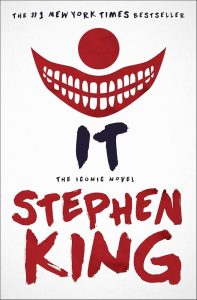
A monstrous creature that takes the form of a clown, feeding on fear and returning every 27 years. It is one of the best-selling horror books for a reason. King crafts a sweeping story of childhood trauma, friendship, and the long shadow of evil. Few horror novels are as emotionally rich or terrifying.
The strength of It lies in its dual timelines. You see the characters as scared children and scarred adults, both battling the same monster. The horror works on multiple levels, supernatural and deeply human. It’s not just a scary story; it’s a meditation on memory, courage, and survival.
Find it here: It horror book
12. The Bad Seed by William March (1954)

What if evil could be inherited? The Bad Seed tells the story of a seemingly perfect child who may be a remorseless killer. This chilling domestic tale is one of the best psychological horror books, exploring how innocence and malice can coexist.
The horror here is subtle. There are no monsters or ghosts, just a little girl who never feels guilt. That coldness is what makes the novel unforgettable. It’s one of the best horror novels for the way it exposes darkness within the everyday family unit.
Find it here: The Bad Seed horror book
13. Beloved by Toni Morrison (1987)
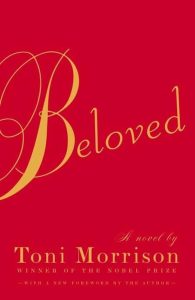
Beloved transcends genres, blending historical fiction and horror to explore the haunting legacy of slavery. Sethe, an escaped slave, is haunted by the ghost of her dead child. Morrison turns grief, guilt, and memory into something supernatural. It’s a literary masterpiece and one of the best psychological horror books of all time.
The horror in Beloved comes from both the ghost and the history it represents. Morrison shows that trauma can possess us as powerfully as any spirit. It’s one of the best horror books precisely because it uses fear to confront truth, not to escape it.
Find it here: Beloved horror book
14. The Call of Cthulhu and Other Weird Stories by H.P. Lovecraft (1928)

Lovecraft’s tales of cosmic horror redefine what fear can be. In these stories, humanity is insignificant in the face of ancient, unknowable beings. This collection, led by The Call of Cthulhu, belongs to the best cosmic horror books ever written.
What makes Lovecraft’s work terrifying is the absence of control or understanding. There’s no redemption, no heroism, only madness. His influence on horror, sci-fi, and pop culture is immense. If you want to explore existential terror, this is where you start.
Find it here: The Call of Cthulhu and Other Weird Stories horror book
15. The Fall of the House of Usher and Other Tales by Edgar Allan Poe (1839)

Poe’s tales of madness, guilt, and decay have shaped the genre itself. “The Tell-Tale Heart,” “The Black Cat,” and the title story are studies in obsession and psychological collapse. Poe remains the father of the best classic horror books.
His stories are scary, not because of monsters, but because of what’s inside the human mind. Claustrophobic settings, unreliable narrators, and guilt-induced insanity make these stories timeless. Poe’s mastery of mood and atmosphere ensures his place among the best horror novels of all time.
Find it here: The Fall of the House of Usher and Other Tales horror book
Also read: Top 10 Self-Help Books for Better Living
16. The Haunting of Hill House by Shirley Jackson (1959)

Hill House is more than haunted; it’s alive. Jackson’s masterpiece follows a group of people investigating the house’s mysteries, only to be consumed by them. It’s slow, and psychological terror makes it one of the best psychological horror books ever.
Jackson’s subtlety is what terrifies. You’re never sure if the ghosts are real or if they’re manifestations of Eleanor’s fragile mind. The novel’s final moments linger like a whisper in the dark, proving why Jackson is one of the greatest voices in the best horror novels of all time.
Find it here: The Haunting of Hill House horror book
17. The Passage by Justin Cronin (2010)

The Passage blends apocalyptic fiction with vampire horror, creating one of the best sci-fi horror books of the modern era. A government experiment gone wrong unleashes creatures that destroy civilization. Years later, survivors fight to rebuild in a ruined world.
Cronin’s world-building is breathtaking, and his characters feel real. The book’s mix of hope and horror gives it emotional depth rare in genre fiction. It’s not just frightening, it’s epic. A must-read for anyone exploring modern best horror novels.
Find it here: The Passage horror book
18. The Lesser Dead by Christopher Buehlman (2014)
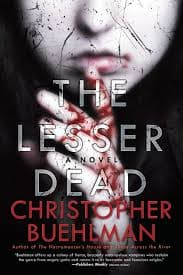
Set in 1970s New York, The Lesser Dead introduces a community of vampires hiding beneath the city. It’s gritty, violent, and darkly funny, a standout among the best horror books of all time.
Buehlman’s vampires are predators, not romantic heroes. The story’s realism, combined with moral ambiguity, makes it unforgettable. It’s one of the best modern horror novels, blending horror and noir with chilling precision.
Find it here: The Lesser Dead horror book
19. Fever Dream by Samanta Schweblin (2015)
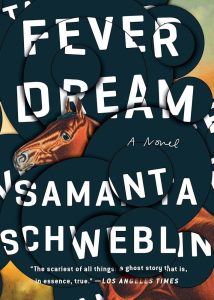
This short but powerful novel unfolds like a nightmare. Told as a conversation between a dying woman and a mysterious boy, Fever Dream blurs the line between reality and hallucination. It’s an ideal pick for lovers of the best psychological horror books.
The horror is an environmentally and emotionally poisoned land, poisoned relationships, and poisoned minds. Schweblin crafts dread through ambiguity, making readers feel trapped in the woman’s fear. It’s haunting, thought-provoking, and one of the best horror novels of the last decade.
Find it here: Fever Dream horror book
20. The Frangipani Hotel by Violet Kupersmith (2020)
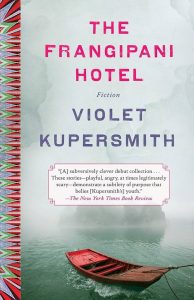
This collection of ghost stories weaves Vietnamese folklore with modern life, exploring trauma, identity, and the lingering presence of the past. Kupersmith brings a fresh voice to the genre, making this one of the best horror books of all time from a new generation of writers.
Each story balances history and horror beautifully. The ghosts here aren’t just scary, they’re deeply human. Kupersmith proves that the genre can evolve while keeping its emotional core intact. This is literary horror at its most elegant.
Find it here: The Frangipani Hotel horror book
From gothic castles to haunted houses and cosmic voids, these titles represent the best horror novels of all time. They show how fear adapts from ancient myths to modern anxieties and why horror continues to captivate readers. Whether you prefer the best classic horror books, the best psychological horror books, or the best sci-fi horror books, these stories promise sleepless nights and unforgettable chills.
So turn down the lights, grab a blanket, and lose yourself in one of the scariest books of all time. Just don’t say we didn’t warn you.
If you have a horror story ready to publish, PaperTrue is here for you. PaperTrue’s expert book publishing services can help you self-publish your horror novels with great expertise and ease!
Keep on reading:
Index in a Book: Definition, Purpose, and How to Use It
Hello Readers and Writers!
Have you ever flipped through a nonfiction book, looking for that one topic you remember reading, but couldn’t find? Or perhaps you’re an author preparing your manuscript and wondering how to make your book easier to navigate and more professional. If yes, then we’ve got you right!
In this guide, we’ll walk you through everything you need to know to make your book reader-friendly and credible, from what an index is, how indexes improve usability and reader experience, to their types, structure, and even the costs involved in creating one.
Don’t let indexing slow down your publishing process. Ask the experts! Get Started
What is an index in a book?
A book’s index is an alphabetical list of the important words, subjects, people, places, and ideas included in it, with page numbers indicating where they are referred to. An index helps readers quickly locate information without reading the entire text.
In this guide, you’ll learn what an index is, where it’s found, its types, its purpose, and even how much it costs to create one.
Index vs table of contents vs glossary
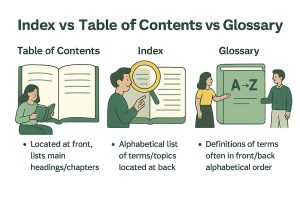
Readers can effectively navigate a book by comprehending these elements:
Table of Contents (ToC): Found at the beginning of most books, the ToC outlines their structure by listing chapters or sections alphabetically, serving as a roadmap of their organization.
Index: At the back of every book lies an alphabetized listing of topics, terms, and names mentioned within it, together with page references where these appear in greater depth. This allows readers to quickly access detailed information on any particular subject of their choosing.
Glossary: Commonly found at the back of a book, glossaries provide definitions to complex or technical terms used throughout the text and help readers better comprehend specific terminology.
Where is an index found in a book?
Indexes are traditionally located near the end of books, after sections like bibliographies and glossaries have been presented. It is used to ensure readers can quickly locate them after finishing the main content. Such placement provides convenient access for readers after having finished with their reading material.
What are the functions of indices in books?
How an index helps readers quickly access information
An index provides readers with an organized summary of a book‘s content, making it easy for them to quickly locate specific information. Instead of skimming chapters for answers they want, readers can refer to an index in search of exact pages where topics of interest have been discussed.
Why indexes boost credibility and sales (nonfiction)
An impressive index enhances a nonfiction work’s professionalism and utility by showing thoroughness. It also increases credibility with readers searching for reliable information sources. A well-constructed index also has potential appeal to those readers seeking quick, convenient information sources.
Do short or simple books need an index?
While shorter books don’t necessitate extensive indices, having one may still prove beneficial. An index provides quick navigation between topics or serves as an easy reference guide, especially important features in nonfiction works with few pages to cover!
Types of book indexes
Back-of-Book index (BoB index)
Back-of-Book (BoB) indexes are one of the most frequent types, typically located at the end of a book. They list topics alphabetically with associated page numbers to provide a comprehensive view of their content and facilitate quick navigation of bookshelves.
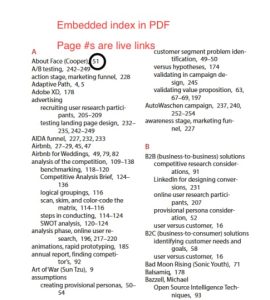
Embedded index for eBooks
Indexes in ebooks feature clickable links that lead readers directly to specific sections or pages, providing convenience and interactivity while at the same time being compatible across devices and platforms. However, to achieve maximum compatibility, they require careful formatting so as to be compatible across devices and platforms.
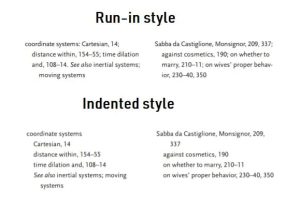
Indented vs. run-in formatting
Indented Index: An indented index lists entries with subentries listed directly beneath their primary entry for easier scanning and finding.
Example
Dragons
Fire-breathing techniques, 103–105
Habitat, 45–47
Run-In Index: Entries and subentries are presented in a continuous line, which can save space but may be harder to read.
Example
Dragons: Fire-breathing techniques, 103–105; Habitat, 45–47
How to search an index in a book (reader tips)
Reading Entries, Subentries, Ranges, and Cross-References
- Entries: Main topics listed alphabetically.
- Subentries: Indented items providing more detail under the main entry.
- Ranges: Page numbers indicating where the topic is discussed.
- Cross-References: Directions to related topics, often marked as “See” or “See also.”
Practical Example Lookup (Walkthrough)
To find information on “dragons” in a book:
- Turn to the index at the end of the book.
- Locate “Dragons” in the alphabetical list.
- Note the page numbers listed next to the entry.
- Refer to those pages in the main text for detailed information.
Common mistakes readers make (and How to avoid them)
Overlooking subentries: Many readers only look at main topics, skipping the indented subentries that often provide more detail or material that is more germane to the issue at hand.
How to Avoid:
- Always look under the main entry for subtopics that are indented.
- Subentries usually refer to examples, persons, or main discussions that are secondary to the primary focus of the discussion.
- If you are doing focused research, the subentries are time savers, taking you directly to the precise issue you are interested in.
Avoiding cross-references: Cross-references act as links to associated concepts or alternative words. Failure to follow the links can lead to the absence of significant relationships in the text.
How to Avoid:
- If you come to “See” or “See also,” do not disregard it as “off topic.” Instead, go to the suggested entry.
- Cross-references are like leads; more often than not, they connect wider topics or the same topics discussed under different titles.
- For research or studying the topic, it is important to have cross-references for richer content on the topic.
Misinterpreting page ranges: Some individuals consider page ranges, for example, 45 to 50, as boundaries that are only the first or last page stated, while in the actual sense, the whole range is the topic under discussion.
How to Avoid:
- Focus on all of the listed pages so as to get the whole argument.
- Scan through the section and look for subheadings, cases, or illustrations that elaborate on the topic.
- With books that have heavy texts, try to use a range of pages to locate multiple mentions of the same concept, rather than aiming for isolated mentions.
How to build an index (workflow & roles)
When indexing occurs in publishing (timing and version control)
Indexing typically happens after the manuscript has been finalized but before going to print. This ensures that all relevant content is included and referenced accurately.
Why did professional indexers outshine auto-generated lists?
Professional indexers possess extensive expertise in selecting relevant terms and organizing them logically, unlike automated tools, which merely extract terms without providing context or satisfying readers’ needs effectively.
DIY vs. hiring a professional
Creating your own index may seem simple, but it often misses consistency. For example, you might list “Cars” and “Vehicles” separately, while a professional would link them. Professionals ensure clarity, accuracy, and easy navigation for readers.
Also read: Best ghostwriting services for authors
Step-by-Step indexing process
1. Defining audience terms and synonyms
Determine what terms your target audience might search for and look into synonyms and related concepts to ensure comprehensive coverage.
2. Identify pertinent topics vs trivial mentions
Focus your indexing efforts on indexing significant topics that further the book’s purpose; avoid trivial mentions that do not add anything of value for readers.
3. Create headings, subentries, and cross-references
Maintain an organized index with clear headings and subentries, cross-references to lead readers quickly to relevant topics, and subindexes as needed.
4. Tools indexers use (specialized software) and why this matters
Indexers often utilize software programs such as Cindex or SkyIndex in order to efficiently create and manage indexes, maintaining consistent and accurate processes in indexing processes. Such tools help ensure consistency throughout this step in indexing processes.
Costs and timelines to expect (What to anticipate)
Typical indexable page pricing (BoB vs Embedded)
Pricing depends on the type of index and its content complexity; back-of-book indexes usually cost less due to their simpler formatting than embedded indexes.
Time of turnaround and scheduling an indexer
Turnaround times depend upon the complexity and scale of a project; to ensure timely completion, it’s wise to schedule your indexer well in advance.
Budget tips for authors and small publishers
- Plan early: To reduce last-minute stress and save yourself the extra cost associated with indexing, set aside enough time and budget early in your publishing process for indexing. Communicate with both editors and designers so page numbers can be finalized prior to indexing beginning; budget 5-10% of total costs towards this stage for planning purposes.
- Explore DIY indexing: For short or straightforward books, it can be worthwhile creating a basic index on your own using tools such as Microsoft Word’s Indexing feature, Cindex, or PDF Index Generator. Organize key terms alphabetically before double-checking page references to ensure accuracy. Anything better than no index is certainly better!
- Choose professionals wisely: To achieve polished and accurate results for long or complex books, consider employing the services of professional book formatters or indexers if funds permit; look for certified experts, review samples provided by these indexers, and clarify pricing (typically $3-$6 per page). Alternatively, outsource key chapters while continuing the rest yourself.
Quality checklist: what to consider in an effective index
1. Accuracy, consistency, and reader-centric language
Assure all entries are accurate, consistent, and written using language that meets reader expectations.
2. Coverage of concepts not named in the text
An effective index should anticipate topics readers might search for even when these terms don’t explicitly appear in the text.
How to recognize an index that doesn’t perform well?
Format inconsistent entries: Entries should adhere to a consistent format from start to finish.
Cross-reference issues: Failure to include cross-references can make it hard for readers to locate related material quickly and easily.
Overly deliberate entries: Entries should be concise and pertinent; avoid unnecessary details.
In this guide, you’ll learn what an index is, where it’s found, its types, its purpose, and even how much it costs to create one.
A well-crafted index is more than a back-of-book formality; it’s a bridge between your content and your readers. It improves usability, adds credibility, and makes your work truly professional. Whether you’re self-publishing your first book or preparing a complex nonfiction manuscript, understanding how to build (or commission) a great index is an essential skill.
We hope this guide clarified everything you need to know about book indexes. PaperTrue’s professional book editors and publishing experts can help make your book accurate, polished, and ready for global readers.
Publishing your own book? Read these articles to get more information:
Writing Challenges Every Writer Should Take
Every November, thousands of writers around the world pick up their pens, crack their knuckles, and prepare to dive into one of the most widespread and steadily practiced writing challenges in the world—NaNoWriMo, or National Novel Writing Month. Meant to serve as a motivating and productive month for writers, the goal of this challenge is to finish writing a novel in the month of November.
If you’re looking for a challenge with a difference, worry not! There are several lesser-known writing challenges open to both amateur and professional writers that will help you tap your inner creativity. Here is a list of some of the coolest writing challenges for you to participate in this month:
Have You Written A Manuscript That You Want to Publish? Publish It Now! Get Started
One-month challenges
Here are some exciting one-month challenges you can try:
1. NaNonFiWriMo
An alternative to National Novel Writing Month, NaNonFiWriMo is National Nonfiction Writing Month—a suitable challenge for all authors who want to write a nonfiction book. You can set daily word goals, say 2000 words a day, so that by the end of the month, you have a 60,000-word nonfiction book ready to submit to a publisher!
2. NaPoWriMo
Usually held in April, NaPoWriMo stands for National Poetry Writing Month—a suitable challenge for all the poets out there. The goal is to write at least one poem per day, so that by the end of the month, you have a minimum of 30 poems that can be compiled into an anthology.
3. NaNoEdMo
Usually held in March, NaNoEdMo or National Novel Editing Month is for all those aspiring editors to test their skills—this challenge allows you to edit one fiction manuscript in 30 days, testing your sharpness, efficiency, and time management.
4. November PAD challenge
Similar to NaPoWriMo, the aim of the November Poem-a-Day or PAD challenge is to set (and achieve) the goal of writing one poem a day for the month of November.
5. FlashNano
This is a challenge for writers who enjoy writing quick, fast-paced pieces of flash or nano fiction. The goal here is to write one work of flash fiction a day every day in the month of November.
Longer challenges (a few months to a year)
If you’re interested in committing to a longer challenge, here are some suitable options for you:
1. WriYe
The aim of the WriYe or Writing Year challenge is to set an annual writing goal and break it up into attainable goals for each month. This is suitable for writers who want to commit to a long-term writing project and wish to make daily writing a habit. Monthly challenges like NaNoWriMo can also be incorporated into this long-format challenge.
2. StoryADay challenge
Usually conducted from May to September, the focus of the StoryADay challenge is short stories. The aim is to write one short story a day from May to September. However, you can abbreviate the challenge to one month like NaNoWriMo if you wish.
3. MilWordy
A challenge not for the faint of heart, MilWordy is for writers who set the lofty goal of writing one million words a year. The key is to organise your goal into smaller, achievable daily and monthly word goals that add up to one million words a year. This challenge is usually taken up by seasoned writers who have mastered monthly writing challenges.
Also Read: Worldbuilding Questions and Templates (Free)
Support and accountability groups
Not sure if you will be able to meet your daily goals, or are looking for topics to write about on a daily basis? Here are some writer support groups you can join to help keep the creative juices flowing!
1. #5AMWritersClub
If you’re looking to set a daily writing routine, this club is perfect for you! It is a community on X (formerly Twitter) that encourages writers to begin their day by working on their writing project and get into the habit of scheduling their writing to be their first activity of the day.
2. The Insecure Writer’s Support Group (IWSG)
This support group aims to help writers who struggle with writer’s block or are unsure about their abilities to take part in writing challenges to build their confidence. Participating in their challenges is a great way to boost your writing skills and get constructive feedback from like-minded individuals.
3. The Indie Author Project (IAP)
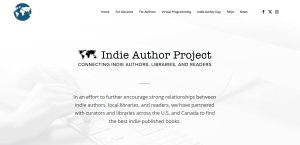
Essentially a collaboration between indie authors and libraries, this community aims to get books by lesser-known indie authors into libraries, thus building their reader base and reputation.
4. Pathfinders Writing Collective
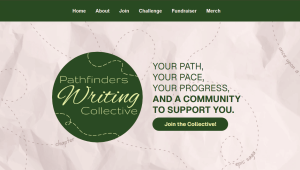
The Pathfinders Writing Collective, or #PaWriCo aims to help writers pick their challenge, set their pace, and achieve their writing goals while being cheered on by fellow writers. Check out #PaWriCo25 for this year’s challenges that you can participate in.
5. Heart Breathings Writing Community
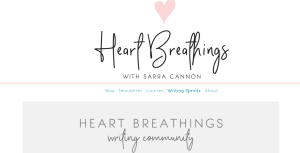
Taking inspiration from the Pomodoro Method, which aims to help writers write in ‘sprints’ without any other distractions, the Heart Breathings Writing Community is perfect for those who want to livestream writing challenges on YouTube or Facebook that help them write for blocks of time uninterrupted, take a break, and then write again, thus maximising their productivity.
6. WriteMentor

As the name suggests, this support group offers mentorship to writers who want to complete their manuscripts and navigate the complicated and competitive world of the book publishing industry. It’s a great environment for newbie writers to interact with more seasoned hands and find their footing.
Now that you have a comprehensive list of writing challenges to take part in and support groups to join, it’s time to buckle down and get started!
We at PaperTrue offer expert, hassle-free self-publishing services that allow you to get your work edited and published by professionals.
Happy writing!
Here are some more resources that may help you:
National Novel Writing Month (NaNoWriMo)
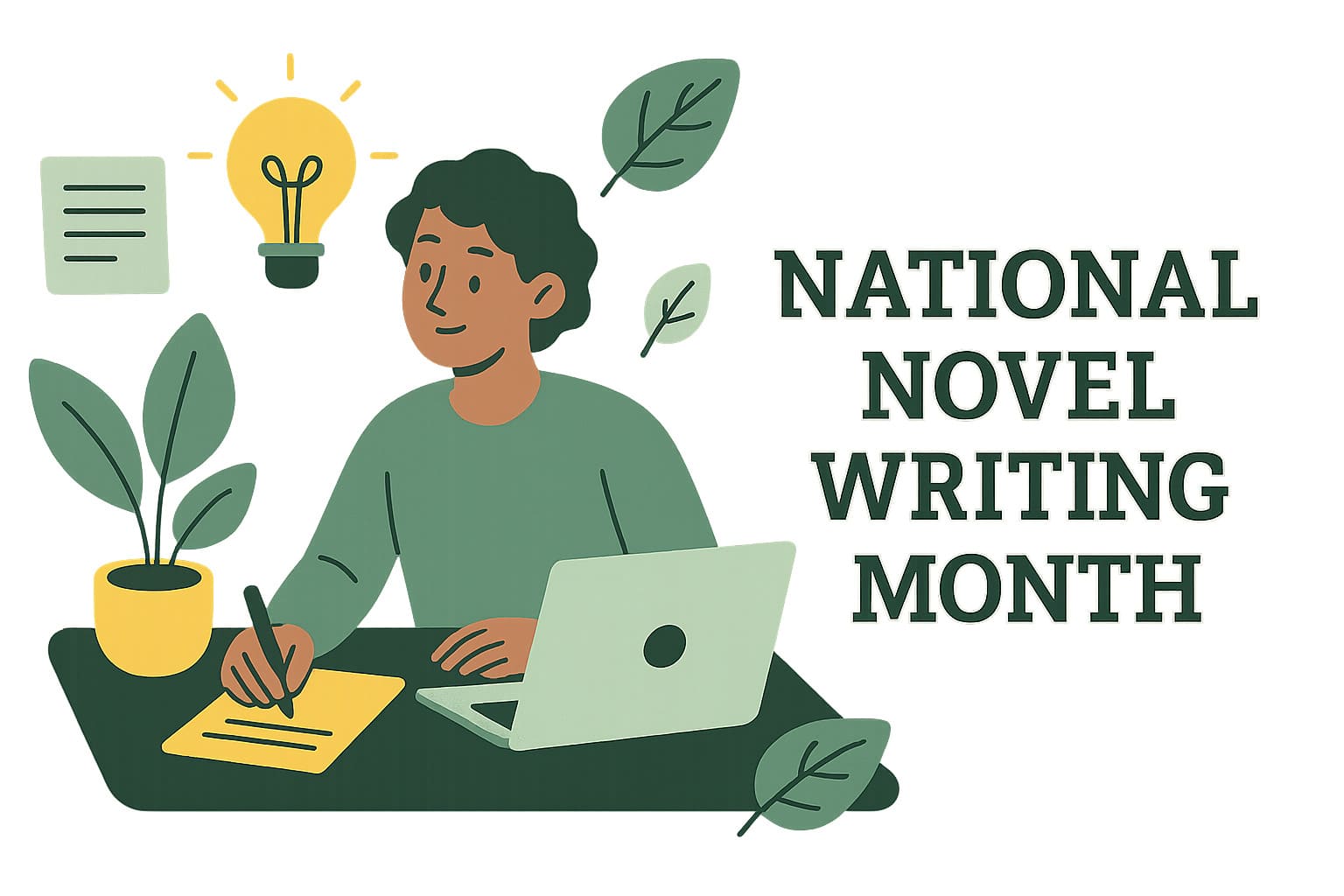
The idea of writing a novel is often a long-held dream, but staring at that blank page can be terrifying. What if there was a community-driven, month-long sprint designed to crush writer’s block and get that first draft finished? Enter National Novel Writing Month, or NaNoWriMo for short.
Make Your Dream Of Book Publishing Come True Now! Get Started
What is NaNoWriMo?
The National Novel Writing Month, or NaNoWriMo, is essentially a 30-day challenge held in November where participants commit to writing a 50,000-word manuscript of a novel.
NaNoWriMo is a massive, international creative writing event that takes place every year. It’s not about writing the perfect book; it’s about letting your creativity flow, silencing your inner critic, and simply getting words on the page.
NaNoWriMo is both a global event and an online community that brings writers of all ages and experience levels together. Whether you’re an aspiring novelist or just testing your storytelling skills, it’s a fun, supportive way to make writing a daily habit.
History of NaNoWriMo
NaNoWriMo began in July 1999, founded by Chris Baty and a small group of friends in the San Francisco Bay Area. What started as a quirky local experiment has now become a worldwide writing phenomenon with hundreds of thousands of participants each year.
By 2000, the event moved to November (a month considered perfect for writing indoors), and since then, it has grown into a massive creative movement that celebrates the joy of storytelling.
What does National Novel Writing Month mean for writers?
For many writers, NaNoWriMo is more than just a challenge; it’s a creative reset. It encourages you to stop overthinking and just write. The 50,000-word target pushes participants to focus on progress rather than perfection.
It’s also a chance to build discipline, discover your voice, and connect with a community of fellow writers who cheer each other on through “write-ins,” virtual events, and online forums.
What is the purpose of NaNoWriMo?
The main purpose of NaNoWriMo is to motivate people to write, not to worry about publishing or editing, but to simply finish a first draft. The event proves that anyone can write a novel if they dedicate time and consistency to it.
It also aims to make creative writing accessible, providing free tools, workshops, and community support to writers of all backgrounds. Many successful books like Water for Elephants by Sara Gruen and The Night Circus by Erin Morgenstern began as NaNoWriMo projects!
NaNoWriMo 2025
- The nonprofit organisation behind NaNoWriMo announced in early April 2025 that it will shut down due to persistent financial struggles and reputational issues.
- The issues cited include declining participation, major budget shortfalls, and controversies over moderation and its stance on AI in writing.
- Despite the closure of the organisation, the idea of a November writing challenge lives on: other groups are stepping in to fill the gap.
How to participate in National Novel Writing Month
Since the original NaNoWriMo organisation is no longer functioning, writers can no longer rely on its official platform (forums, word-tracking, etc) to participate.
A new event called Novel November is being launched by ProWritingAid in 2025. It mirrors the traditional 50,000-word goal for the month of November and offers its own support and community.
PaperTrue has its own writing contest in November 2025, where writers need to submit 30,000 words. Writers can set a goal of reaching the word target, and one winning writer will get their manuscript edited by experts for free.
Writing tips for NaNoWriMo
- Set Your Goals: The classic challenge is 50,000 words, but you can customize your goal.
- Write Daily: Aim for around 1,667 words a day to stay on track.
- Join the Community: Participate in forums, local groups, and virtual write-ins for motivation.
- Celebrate Your Win!: Even if you don’t hit 50K, completing any part of your story is a huge achievement.
National Novel Writing Month is more than just a writing challenge; it’s a celebration of creativity, persistence, and storytelling. Whether you dream of publishing a novel or just want to prove you can finish one, NaNoWriMo gives you the perfect reason to start typing.
So, grab your laptop, clear your calendar, and let November be the month your story finally begins!
PaperTrue’s self-publishing services are always here waiting to help you publish your manuscripts into masterpieces and make your author dream come true!
Here are some more useful resources for you:
What is a Subplot? Meaning, Examples & Types
It’s not just the major story that makes any storybook, film, or play, but also all these sub-stories that go side by side with the main ones. They tell stories the way a ‘thali’ does in an Indian home: not one dish, but many and varied kinds that complete the meal. These side stories we call subplots.
Subplots are what make stories come to life; they add depth and layers. They’re in the story for verisimilitude; we mean, nobody’s life is all about one thing. We all have a number of issues, relationships, and objectives at any given time in our lives, and subplots are a way to reflect that reality in the story.
Don’t let writing errors hold you back. Let the experts guide you! Get Started
Understanding subplots: the basics
What is a subplot?
A subplot can be described as a second, subordinate plot, or a strand of the main story that runs parallel to it. Scenario A is the main plot—it propels the central conflict and resolution, whereas scenario B is a subplot, which provides depth and contrast to the audience or reader of the story.
Think of a subplot as the garnish and sides in your meal. You could technically eat the main dish alone, but the addition of chutney, raita, or salad makes the meal more enjoyable.
Relationship to the main plot
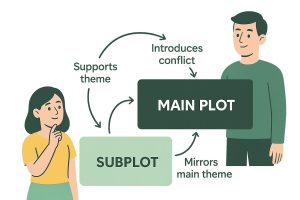
A subplot is never completely separate. It either:
- Supports the main plot: Reinforcing the central theme or conflict.
- Contrasts with the main plot: Highlighting alternative perspectives.
- Intersects with the main plot: Influencing outcomes in subtle or dramatic ways.
For example, in many novels, a romantic subplot doesn’t just exist for fun—it often affects the choices characters make in the central storyline.
Key characteristics of subplots
- Secondary in importance: They are not the main focus but complement it.
- Interconnected: They usually tie back to the larger narrative.
- Thematic alignment: Good subplots explore themes similar to or contrasting with the main plot.
- Character-centric: Often provide opportunities for character growth beyond the main storyline.
Types of subplots
Not all subplots are the same. They have a different function in terms of narrative based on the story. Here are the main types:
1. Romantic subplots
These are the most prevalent in storytelling worldwide. And while the main story might be one of adventure, mystery, or conflict, a side helping of romance provides that extra emotional depth and connectivity.
2. Character development subplots
These are self-related developments or transitions. For instance, even though the main plot may focus on saving a community, a subplot could explore how one character learns to overcome self-doubt or repair family relationships.
3. Conflict subplots
A subplot can add a second challenge, though not usually as significant. This could be an antagonist, a moral temptation, or a problem for some sidekick to solve.
4. Thematic subplots
Others have subplots that function as mere reinforcement or contrast to the main theme. They can serve as a mirror to another aspect of the same issue.
5. Comic or relief subplots
Particularly in weighty or intense stories, comic subplots offer much-needed respite. They hold the audience without crushing it emotionally.
Also read: Top 10 Book Publishing Companies
Functions and benefits of subplots
Then, let’s ask the question: What is one purpose for a subplot in a novel? Actually, there are several. Subplots aren’t just distractions on the side; they have pivotal roles:
Adding depth
Subplots help keep a story from becoming too one-dimensional. They add layers, which allow readers to feel as though they were navigating an entire world rather than a single through line.
Building characters
Through subplots, writers can reveal things about their characters that the main plot would never allow. For example, a subplot that involves a character’s relationship with their sibling may reveal his or her softer side while the main plot portrays their professional struggles.
Maintaining engagement
Readers or viewers appreciate variety. Just as eating too much of the same dish is tiring, so is honing in on a single plotline. Story subplots differ in tone, tempo, and focus.
Reinforcing themes
Subplots are strong instruments to reinforce the same themes in a diverse manner. For instance, in a story with the overarching theme of sacrifice, a sub-plot may reveal another character demonstrating an act of relatively minor but poignant sacrifice.
Pacing the narrative
Tactful subplots are like pauses in music; they let audiences breathe before the next big thing arrives. They can prolong the climax just enough for a little anticipation.
Creating emotional resonance
Multiple facets of life make audiences feel connected. Emotions such as love, friendship, or loss are frequently dealt with in subplots, making the overall story more recognizable to audiences.
How to identify subplots in stories
If you’re wondering whether a storyline is a subplot or not, ask yourself these questions:
- Does the story still make sense without it? If yes, it’s a subplot.
- Does it involve side characters or a secondary conflict? Likely a subplot.
- Does it loop back to or influence the main story? Then it’s a meaningful subplot.
Subplots are usually optional for the story’s survival but essential for its richness.
Common mistakes with subplots
While subplots are worthwhile, they can also go very wrong. Here are common mistakes:
Overloading the story
So many subplots can confuse audiences. Writers often forget that readers can only carry so many narrative strands at any given moment.
Irrelevant subplots
A subplot that doesn’t return at the end of some act or another and isn’t clearly connected to either the theme or characters feels like a filler. Each subplot needs a purpose.
Unequal balance
If a subplot gets too much focus, it can eclipse the main plot. And on the other hand, if it’s too underdeveloped, then it feels unearned.
Abrupt endings
Sometimes, writers leave subplots unresolved. This is annoying for an audience who’ve actually sunk some emotion into said storylines.
Inconsistency
The second lines must be kept in accord with the mood and style of the first. A sharp tonal change can be jarring.
Examples from different media
To comprehend subplots more intuitively, I’m first going to show you how they work in some examples of storytelling:
Literature
Complex novels like Cloud Atlas use multiple subplots woven across different timelines, each exploring a separate character, era, and conflict. These subplots seem independent at first, but gradually reveal deeper thematic connections such as power, oppression, and reincarnation. Together, they show how individual stories resonate across centuries, enriching the novel’s overall impact.
Film
Movies such as Love Actually are practically built entirely on subplots, with each character’s love story forming a standalone mini-narrative. These subplots vary in tone—some humorous, others emotional or bittersweet yet they all reinforce the central theme of love in its many forms. By the end, the film ties these stories together, creating a tapestry of relationships that feels cohesive and satisfying.
Television
In long-running series like Game of Thrones, each character’s journey acts as a subplot that ultimately shapes the fate of the Seven Kingdoms. These subplots span political ambition, personal redemption, family loyalty, and moral conflict, allowing viewers to engage with multiple layers of the story simultaneously. The constant interplay between subplots keeps the narrative dynamic and unpredictable.
Theater
Plays like A Midsummer Night’s Dream contain comic subplots such as the misadventures of Bottom and the mechanicals, which contrast with the main romantic storyline. These humorous moments offer relief from the emotional intensity of the lovers’ plot and highlight the absurdity of human behavior. The subplots also intersect with the main story, adding magical chaos that ultimately leads to a joyful resolution.
To conclude, it’s the side trip that enriches the main story. Subplots may not be the main course, but they help make the storytelling feast complete. They provide variation, they develop characters and themes, and they keep us emotionally engaged.
Writers need to learn how to write subplots, period. They should have a reason, weigh on the main plot, and be connected. Executed with expertise, subplots can translate an ordinary story into a memorable experience.
The next book you crack or film you see, pay attention to subplots. You’ll discover just how much they enrich the story, and you might even find that it’s the subplot that sticks with you long after the story comes to a close.
If you’re planning to self-publish your novel or short story, PaperTrue is a self-publishing platform that offers everything from editing and formatting to cover design and book marketing. Our experts help authors bring their stories to life and make them publication-ready for both print and digital platforms.
Here are some more articles:
Top 10 Book Writing Software, Websites, and Tools in 2025
Ready to revolutionize your writing experience and elevate your storytelling? Explore the features of the top 10 book-writing software, websites, and tools in detail!
Some of these tools offer a comprehensive suite of features to cater to different aspects of the writing process.
Use these tools to ignite your creativity, check grammar, and structure your content. Each tool’s advantages, drawbacks, and pricing are meticulously outlined for you. Without further delay, let’s explore these amazing book-writing tools!
1. Grammarly
Grammarly stands out as one of the comprehensive suites of tools for writing a book in 2024. It helps you tailor your writing to your preferred tone and style. It also offers valuable suggestions to enhance the sentence structure.
Pros
- Grammarly’s free version provides instant feedback on basic spelling, punctuation, and grammatical errors.
- The premium version offers advanced features to refine your writing style. It detects plagiarism and provides suggestions for citations, tone improvements, and rewriting sentences to enhance clarity, etc.
- Grammarly’s free and premium versions have a very easy-to-use interface.
- Grammarly includes a spell-check feature to help writers avoid errors.
Cons
- It doesn’t provide holistic feedback about character development, plot, structure, and overall coherence of the story.
- Integration with Google Docs can experience lags, which may impact the real-time collaborative writing experience.
- It requires an internet connection for real-time corrections, so you cannot use it offline.
Pricing: The premium version costs $12/month.
2. Hemingway Editor
One of the top websites for writing a book, Hemingway Editor is a free software that ensures high-quality content. Its free version assists you in identifying issues with sentence structure, adverbs, and passive voice.
In addition to this, its paid version provides AI-powered suggestions. With these suggestions, you can fix 5000 sentences per month, one at a time, or simplify multiple sentences together. These suggestions will also help you write more concisely, format text properly, and improve your overall readability score.
Pros
- This is a free book-writing software for beginners that highlights complex and wordy sentences to help you edit better.
- It comes with a user-friendly interface that allows for quick improvements to sentence structure and readability.
- It ranks the readability of your content according to grade level.
- Hemingway Editor is also a free word processor that helps writers improve their content.
Cons
- It gives arbitrary advice, which may not be helpful for every writing style or genre.
- It comes with limited features, which many authors find insufficient for comprehensive editing needs.
- It doesn’t offer extensions and plug-ins for any browser.
Pricing: The paid version costs $10/month
3. Evernote
Evernote has established itself as a premier note-taking app for writers. One of the best book-writing tools, it allows writers to organize story notes and collaborate with other writers. Here are the pros and cons of this writing tool:
Pros
- This book-writing tool helps you freely capture ideas, write as you go, share notes with others, and sync notes across devices.
- Its paid version allows you to edit and track tasks, set due dates, restore notes from history, and protect notes with encryption.
- Evernote can easily integrate with Google Calendar, Google Drive, Microsoft Teams, and more.
Cons
- It comes with a limited free plan, which means that the free users will only get fifty notes and one notebook per account.
- The free account has a 60 MB upload limit, which may pose challenges for writers with substantial multimedia content.
- The premium plan is expensive which is not affordable for a lot of writers.
Pricing: Its paid version costs $14.99/month and $129.99/year.
4. ProWritingAid
One of the best free book-writing websites, ProWritingAid, allows users to enjoy its features without costs for the first 500 words. Just like Grammarly, its free version corrects spelling and grammatical mistakes. It also provides ten suggestions to better phrase your sentences every day.
With ProWritingAid’s premium version, you can enjoy unlimited access to word count or rephrases. It also offers access to AI-powered sparks, dialogue tags, and so much more!
Pros
- This book-writing tool highlights errors in pacing and complex paragraphs to help you improve writing clarity.
- It allows for integration with other tools like Google Docs, Microsoft Word, etc, that streamline the writing and editing process.
- The premium version provides custom style guides, writing analysis reports, and critiques, etc.
- ProWritingAid includes a grammar checker to help writers improve their writing quality.
Cons
- The paid plan is pretty expensive, making it challenging for many writers to access for their projects.
- The tool is not available offline.
- It only provides two file exporting formats, namely, Word Docx and TextEdit.
Pricing: Ranges between $10/month and $699/year (depending on the subscription plan)
5. QuillBot
QuillBot AI Writer is a writing assistant that creates clear, polished, and professional content with ease. With its simple navigation, the AI writer saves time on repetitive tasks while boosting productivity.
You need to enter a detailed prompt in the chatbox and instantly generate a polished draft. For more customization, you can adjust according to the specific needs. Along with its free version, which makes it accessible to beginners, QuillBot offers premium plans with advanced features for more flexibility. Its browser extensions for Chrome, Google Docs, and Word allow users to write directly in their favorite platforms, allowing a seamless workflow.
Pros
- Quickly generates polished and professional paragraphs from a simple prompt.
- Easy-to-use interface suitable for beginners and advanced users.
- Free version available, with affordable premium plans for added features.
- Extensions for Chrome, Google Docs, and Word make writing more convenient.
Cons
- Output may sometimes require manual refinement for tone or accuracy.
- Advanced features are limited to the premium version.
- Works best with clear and detailed prompts, which may feel restrictive for some users.
Pricing: Quillbot has a free version. The paid version’s annual plan costs $8.33 monthly ($99.95 billed every twelve months)
6. Reedsy Studio
Reedsy Studio is one of the top free book-writing software programs for beginners. It allows you to make notes, leave comments, and collaborate with other authors. Here are the pros and cons of this writing tool:
Pros:
- With its built-in spell checker and goal reminder, this book-writing tool corrects your spelling errors and ensures you stay on track.
- Another advantage of Reedsy Studio is its professional formatting tools. Users can export their manuscripts as EPUB files, making them publish-ready for ebook stores.
- Reedsy Studio also offers in-depth planning templates to help you map out your story and characters.
Cons:
- There is no Reedsy Studio app available for mobile devices.
- Some planning features are locked behind a premium subscription.
- Reedsy Studio has yet to implement an offline mode
Pricing: Free
7. Novlr
Novlr is one of the best book-writing software programs, free for up to 5 projects. Novlr allows you to make notes, improve readability, and track writing goals and streaks. It also enables you to access creative writing courses and writing guides, join online writing communities, share your work, etc.
Pros
- It lets you archive your novels.
- It is equipped with a built-in thesaurus.
- You can write unlimited novels with the help of this tool.
Cons
- Missing project management components.
- No features for world-building.
- It lacks plotting features.
Pricing: Ranges between $4/month and $18/month (depending on the subscription plan)
8. Dabble
Dabble is one of the best software for writing a book. It enables you to plot scenes and characters with its plotting tools, drag-and-drop them anywhere in the book, and meet word count deadlines.
Pros:
- It comes with helpful features like a built-in thesaurus, find and replace, and goal-tracking features.
- It offers customization options that include data management, dictionary maintenance, cache management, spelling and grammar checking, and light and dark theme options.
- Dabble autosaves and syncs your work to the Cloud.
Cons:
- It offers simple formatting options, which may not be sufficient for many writers.
- The platform has a high lifetime access cost.
- It lacks features for exporting files in EPUB or PDF formats.
Pricing: Ranges between $7/per month and $29/month (depending on the subscription plan). Dabble’s lifetime pricing is $699.
9. Campfire Writing
Campfire is one of the best book-writing software that offers free access to up to 25,000 words. The following are the advantages of this software:
Pros
- On Campfire, you can access a variety of modules about characters, settings, cultures, and more for planning and writing your book.
- You can collaborate with other writers, join the writing community, and share your work.
- You can access system updates for free.
Cons
- Since it comes with a lot of features, navigating the tool may seem complex at times.
- It doesn’t come with the necessary plotting tools that you will find in other popular software on the market.
- It may not be a suitable writing tool for nonfiction writers.
Pricing: $14/per month, $140/year
10. Scribble Hub
Scribble Hub is one of the top free book-writing websites where you can write books in various genres, including action, horror, historical, fantasy, mystery, and more. Here are the pros of using this tool:
Pros
- It comes with an easy-to-use publishing tool that allows writers to publish their work quickly.
- By using this tool, you can drag and drop images and other media into your chapters.
- Apart from writing, you can join different forums and connect with authors and readers.
Cons
- Scribble Hub lacks athe dvanced writing tools available on Novelr, Novel Factory, and Dabble.
- They offer limited options to writers to monetize their work.
- It has a smaller audience for promotion as compared to platforms like Wattpad and Amazon KDP.
Pricing: Free
Additional Tools and Alternatives
Google Docs: Best for Collaboration
Google Docs is a popular software for book writing that offers instant saving, sharing, and collaboration features. It’s free to use and can be accessed from any device. Google Docs is ideal for collaborating with editors, beta readers, and other writers. Its real-time editing and tracking changes features make it easy to work with others. Google Docs is also suitable for shorter writing projects, and its distraction-free writing experience makes it a great choice for writers who want to focus on their work.
Scrivener: Best for Pure Writing
Scrivener is a powerful book writing application designed specifically for writers. It offers a wide range of features, including organization tools, research and note-taking capabilities, and editing and formatting tools. Scrivener is ideal for writers who want to create complex outlines, character biographies, and other supporting documents. Its customizable interface and advanced features make it a great choice for writers who want a powerful and feature-rich writing experience.
This concludes our guide to the best tools for writing a book. Whether you are a beginner or a published author, there is one book-writing tool for everyone.
Once you are done writing, you’ll need to edit your book. Editing enables your creative vision to reach its full potential. To streamline the process of publishing the next potential bestseller, check out our editing and proofreading services, guaranteed to polish your book to perfection.
Here are some other articles you might find interesting: